Arupadai Veedu - The Six Divine Dwellings
Arupadai Veedu refers to six sacred temples dedicated to Lord Murugan (also known as Kartikeya or Skanda), the god of war, wisdom, and divine strength. The term "Arupadai" means six and "Veedu" means dwellings or abodes. These six temples are located in Tamil Nadu and neighboring regions, and together they form one of the most important pilgrimage circuits in South India. Murugan is deeply revered in Tamil culture, and these temples are centers of spiritual practice and devotion.
The Six Sacred Temples
- Palani Murugan Temple (Palani): The presiding deity here is said to be the most powerful among the six
- Swamimalai Murugan Temple (Swamimalai): Located on a hilltop near Kumbakonam, an important pilgrimage center. It is famous as the place where the young Murugan taught the meaning of the sacred Pranava Mantra (OM) to his father, Lord Shiva, earning the title Swaminatha Swamy (“Teacher of Shiva”).
- Tirupparankundram Murugan Temple (Madurai): One of the oldest temples dedicated to Murugan
- Pazhamudircholai Murugan Temple (Madurai): Located in a scenic hill area
- Thiruchendur Murugan Temple (Tirunelveli): Situated on the shores of the Bay of Bengal
- Thiruthani Murugan Temple (Thiruthani): Located on a hillock, traditionally counted as the sixth sacred abode
Swamimalai Murugan Temple (Swamimalai)
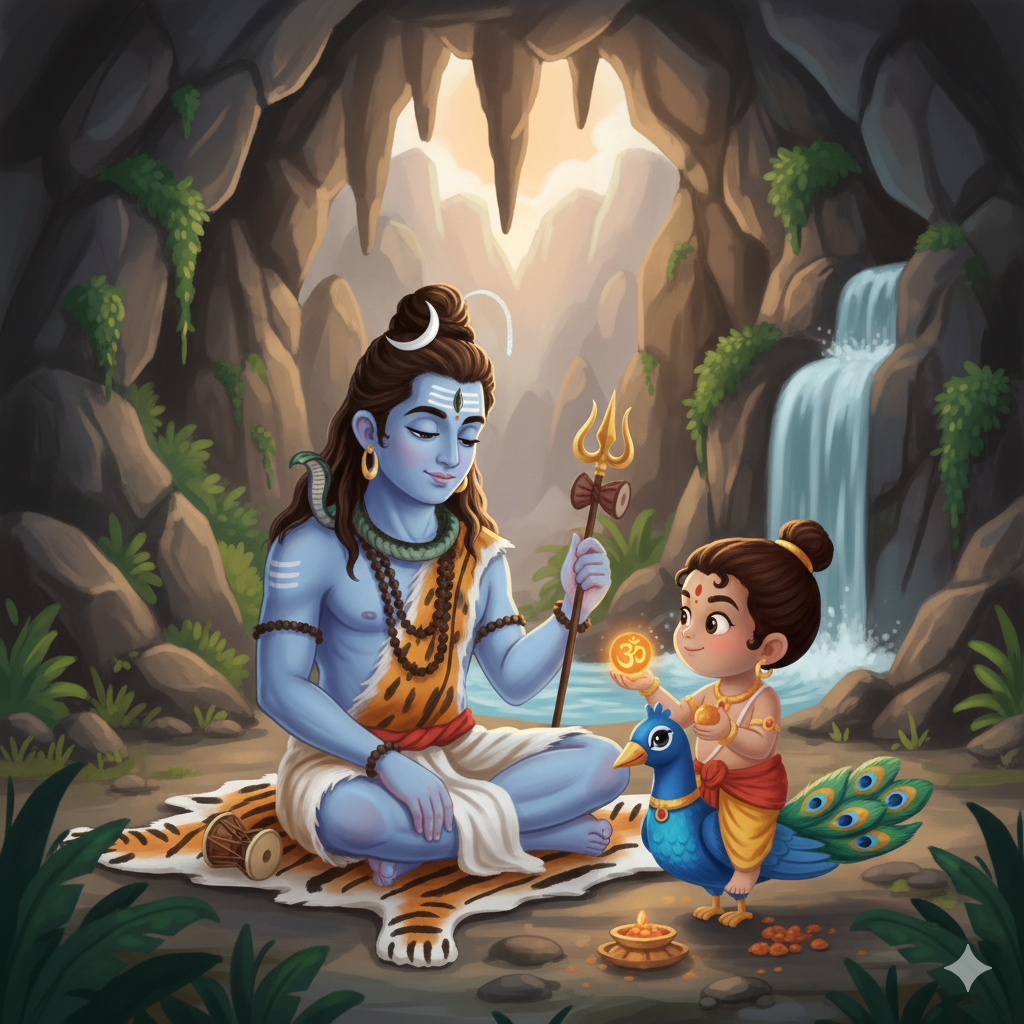
Swamimalai is one of the Arupadai Veedu, on a hilltop near Kumbakonam. Here the young Murugan is said to have taught his father, Lord Shiva, the meaning of the sacred Pranava Mantra (OM), earning the title Swaminatha Swamy ("Teacher of Shiva").
Spiritual Significance
Lord Murugan is venerated as the embodiment of valor, wisdom, and divine grace. The worship of Murugan at these six sacred temples is believed to grant courage, intellect, and spiritual enlightenment. Devotees undertake the Arupadai Veedu pilgrimage for success in education, completion of projects, and spiritual advancement. The festivals and rituals at these temples attract thousands of pilgrims throughout the year.